


Guide
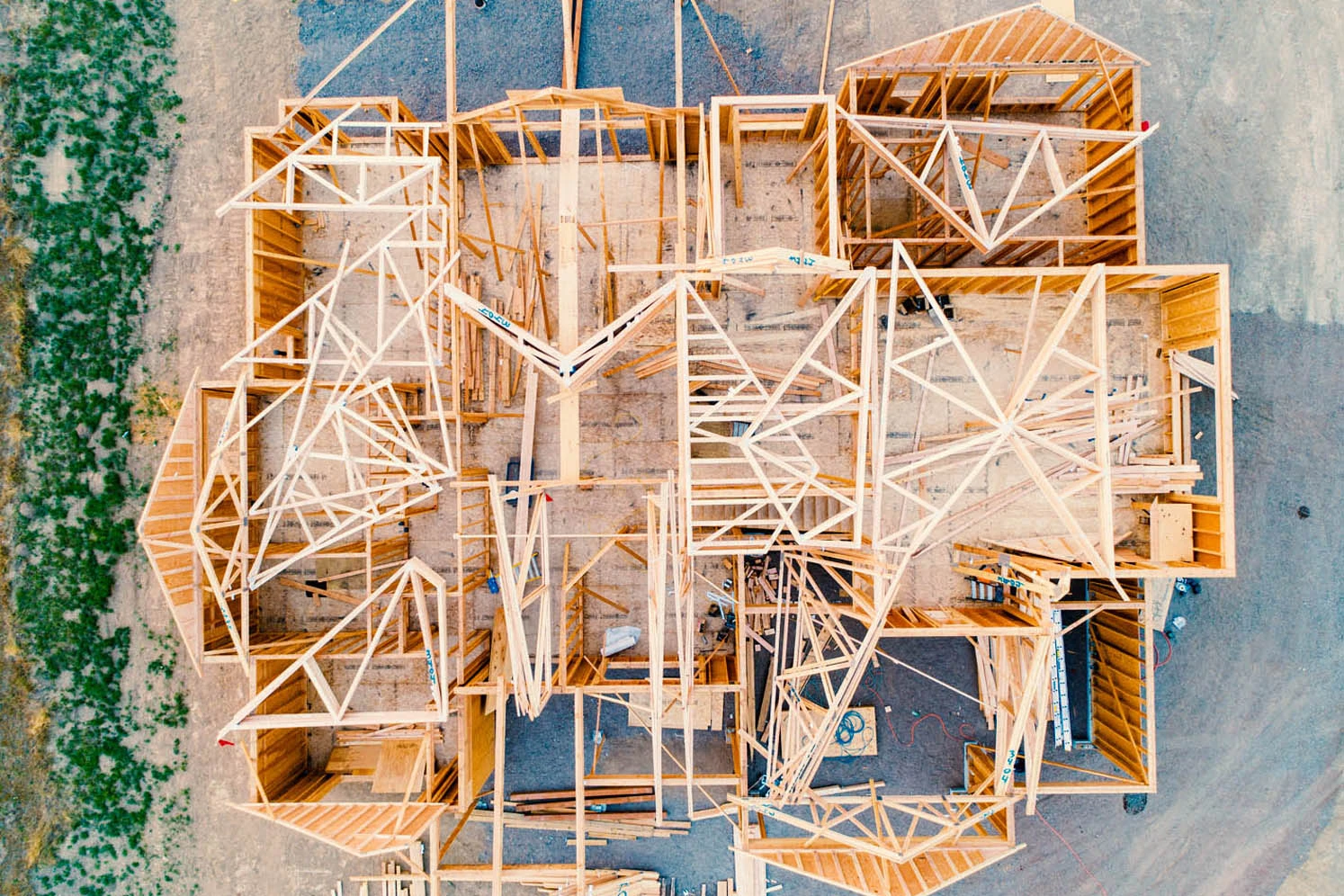
Building a house is not only a matter of construction, but also a long-term investment in comfort, health and the environment. With growing environmental awareness, more and more people are choosing to use nature-friendly building materials. Why is this so important? First of all, ecological raw materials reduce the negative impact on the environment, while allowing you to create an energy-efficient, sustainable and healthy place to live. In this article we will give you tips on how to choose the right materials to build a house in harmony with nature and at the same time enjoy comfort and lower energy bills. You will also learn about the most popular green solutions that will ensure the durability and functionality of your home for years to come.
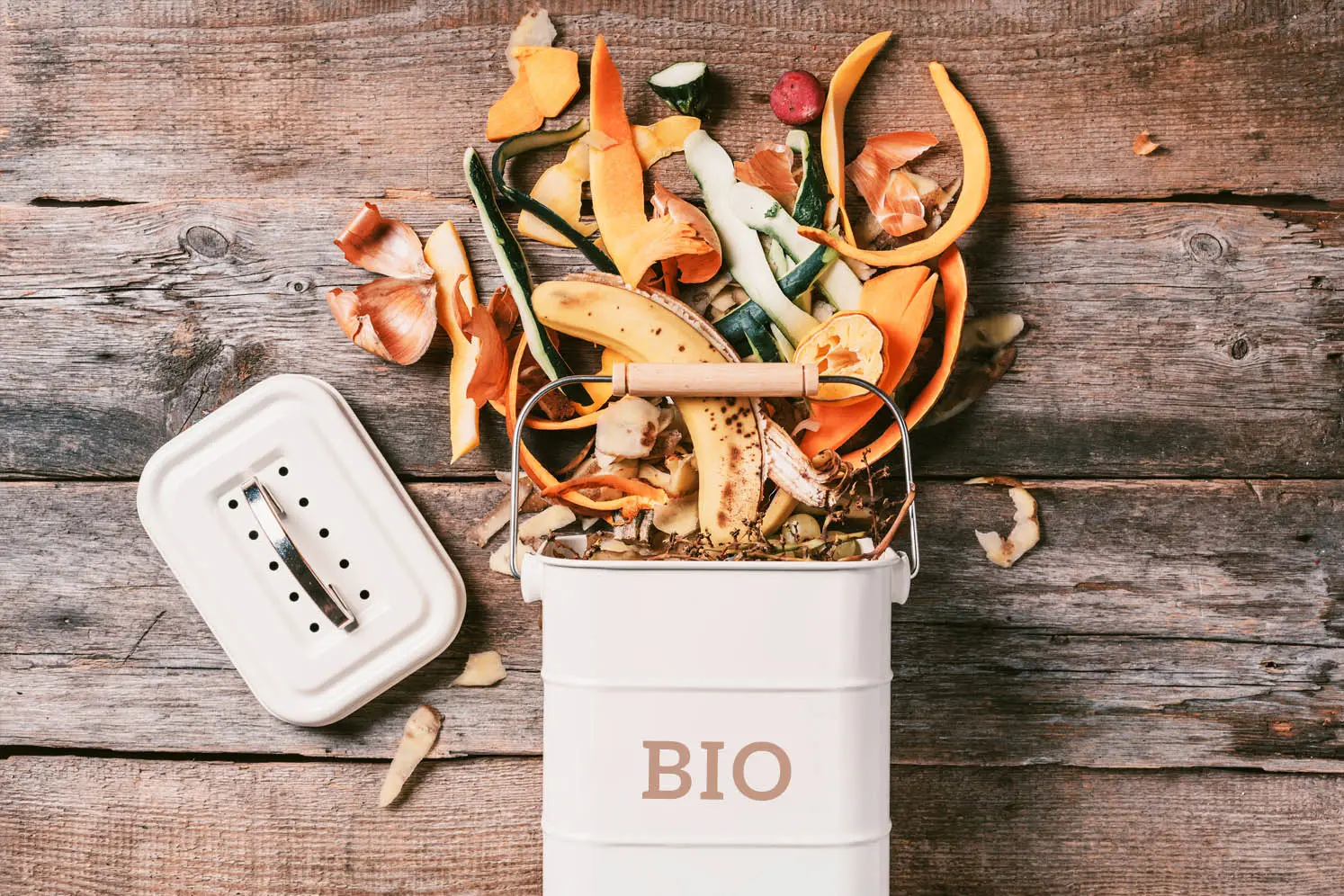
Bio-waste, or biodegradable waste, is organic material that can decompose naturally through the action of microorganisms. Their key feature is their ability to decompose quickly under the right environmental conditions, such as the presence of oxygen, humidity and heat. This produces environmentally harmless substances such as carbon dioxide, water and biomass. Bio-waste can be processed into valuable compost, enriching the soil. An important role of bio-waste is to reduce greenhouse gas emissions, especially methane. In this article we will discuss what bio-waste is, what materials belong to it and how to properly separate it.
Welcome to the year 2024! We would definitely prefer to greet you with a more pleasant touch than the topic of the SUP Directive. However, some things are better not put off. Contrary to the principle of "you know less - you sleep better," today we're going out to meet you, dispelling your doubts about the changes that came into effect on January 1, 2024. We'll tell you about the main ideas of the Act, the next deadlines by which you'll have to comply with the new regulations, and the fees that will have to be added to plastic "disposables." We'll also mention alternatives, but we also couldn't leave out the topic of possible penalties that will be imposed for non-compliance with the new guidelines. You are welcome!

Welcome! To quote from today's post: "There is a consensus in the scientific world that climate change is one of the most serious challenges facing humanity in the 21st century." Today we are going to touch on precisely this not-so-pleasant, but extremely important topic of the changing climate and the consequences that come with these changes. It is rather no secret that it is unfortunately man who is one of the main reasons for the mess we may soon find ourselves in. Progressive industrialization or large-scale deforestation are just a few of the causes of the changes taking place. In today's "episode" we will tell ourselves more extensively about these causes and how we can adapt to climate change. We invite you to join us!

Good morning! The concepts of "composting" or "composter" do not need to be explained to anyone. Some of you who spent vacations with your grandparents probably even had direct contact with this method of "disposal" of bio-waste. Times have changed a lot, however, and now we don't need a set aside corner in the garden to prepare compost. Now even residents of blocks of flats have ample opportunities to "produce" such fertilizer, which can ultimately be used to improve the quality of the soil. Today's entry is entirely devoted to composting - we will discuss the topic, touch on technical issues of preparation and present the advantages of this solution. You are welcome!

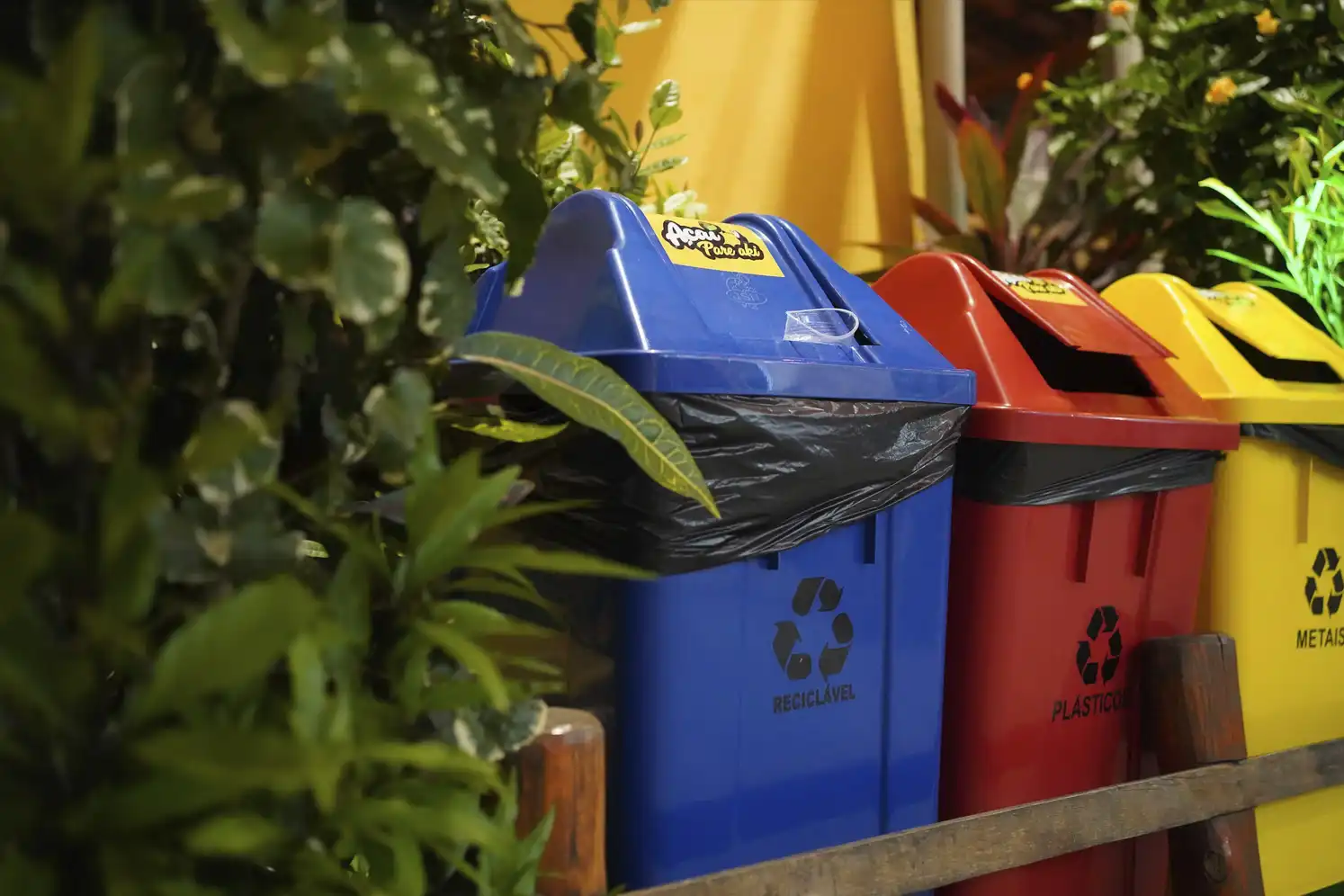
Today we're going to move a bit away from the topic of eco-friendly disposables for catering, but we'll talk about a process that is inextricably linked to them - we're talking about paper recycling. As far as "disposables" are concerned, a sizable portion of the assortment used in catering establishments is made of this very material. Consequently, some of these products are recycled or, with a bit of commitment on the part of customers and staff, go into it. In this post, we'll introduce the cycle of giving a second life to paper (despite appearances, it's very interesting!), show what to look for before throwing a product made of this plastic into the blue container, and finally toss in a few interesting facts about its production.