


Guide

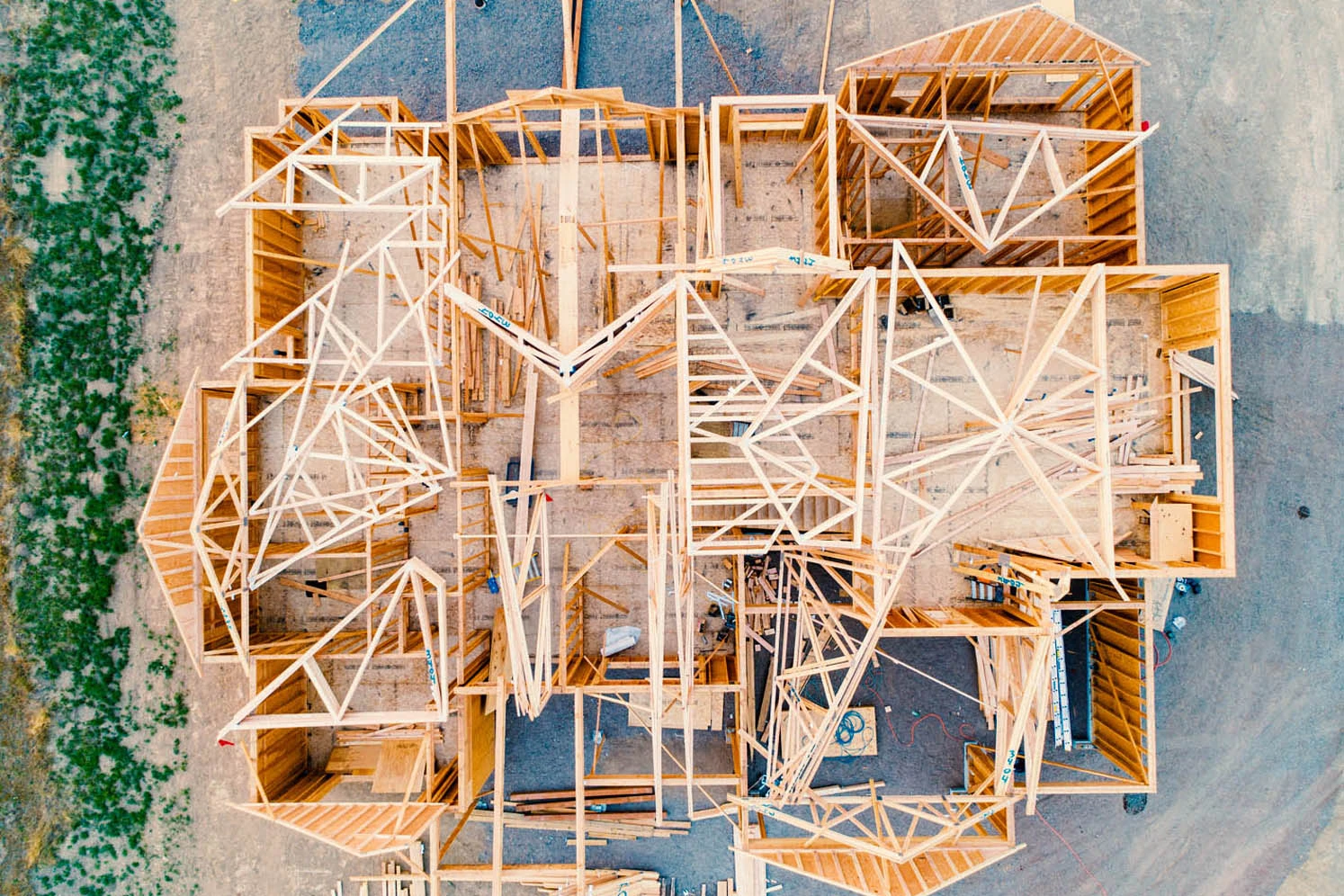
Building a house is not only a matter of construction, but also a long-term investment in comfort, health and the environment. With growing environmental awareness, more and more people are choosing to use nature-friendly building materials. Why is this so important? First of all, ecological raw materials reduce the negative impact on the environment, while allowing you to create an energy-efficient, sustainable and healthy place to live. In this article we will give you tips on how to choose the right materials to build a house in harmony with nature and at the same time enjoy comfort and lower energy bills. You will also learn about the most popular green solutions that will ensure the durability and functionality of your home for years to come.
Segregation of bio-waste is crucial for environmental protection. Bio-waste, or organic residue, can turn into valuable compost or biogas if segregated properly. Composting this waste supports natural processes, reduces the need for chemical fertilizers, and reduces emissions of methane, a greenhouse gas. There are still doubts about the proper handling of bio-waste, so we decided to dispel some of them in today's post. What do we put in the BIO waste garbage can, and what products absolutely should not go there? What then happens to discarded biodegradable waste? We will address these questions in today's blog.
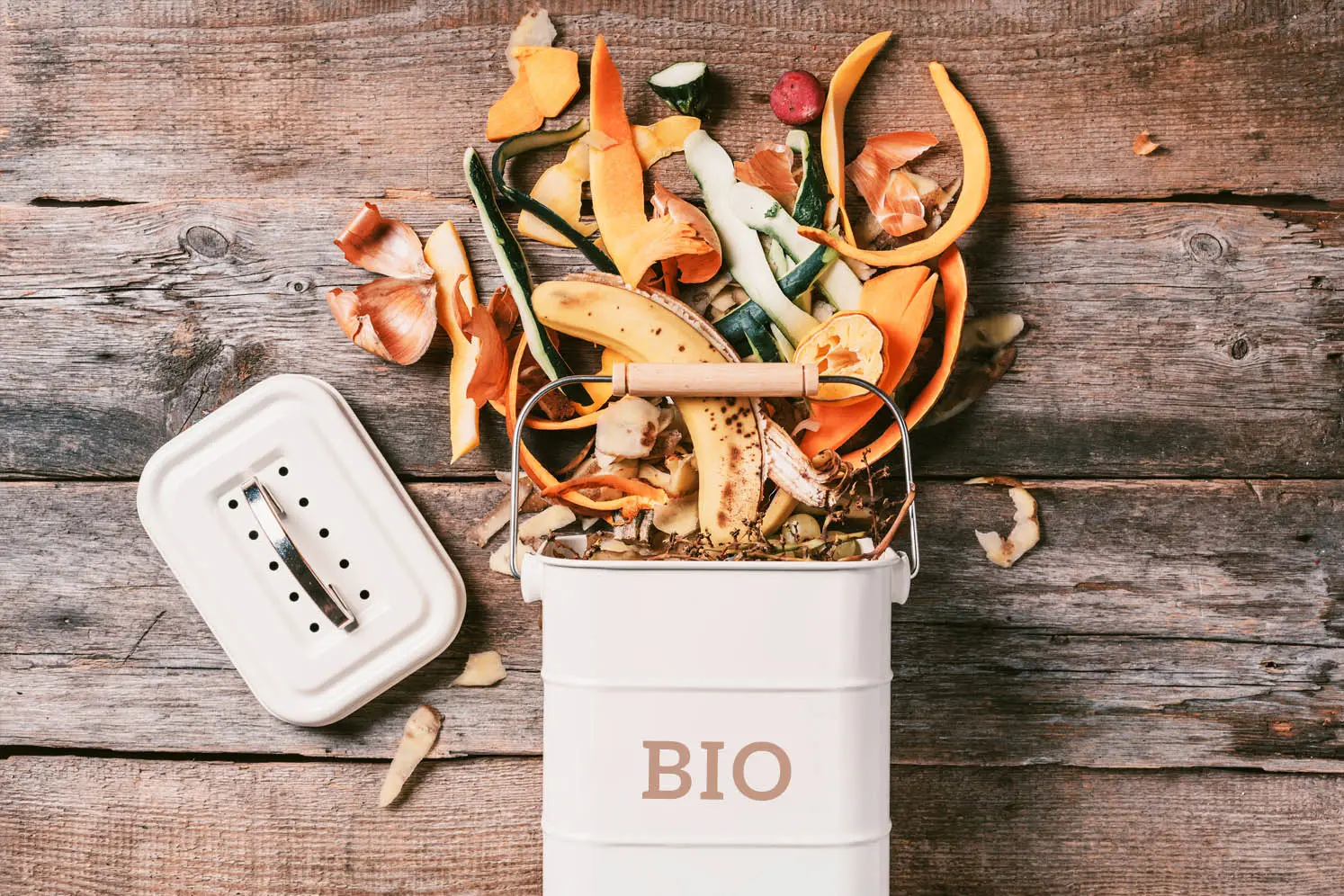
Bio-waste, or biodegradable waste, is organic material that can decompose naturally through the action of microorganisms. Their key feature is their ability to decompose quickly under the right environmental conditions, such as the presence of oxygen, humidity and heat. This produces environmentally harmless substances such as carbon dioxide, water and biomass. Bio-waste can be processed into valuable compost, enriching the soil. An important role of bio-waste is to reduce greenhouse gas emissions, especially methane. In this article we will discuss what bio-waste is, what materials belong to it and how to properly separate it.

In the age of consumerism, the problem of waste management is becoming one of the biggest challenges in the world. In today's post, we will tell ourselves about waste disposal - a solution not without its drawbacks, but a necessary one in the fight against the garbage flooding our planet. We'll touch on the challenges of the process, tell you about alternative methods of dealing with waste, and, as we're probably already in the habit of doing, hint at what purchasing decisions to make and which daily habits are worth changing to add your contribution to this uneven fight. We invite you to read on!

Good morning! A week ago we wrote about climate change in Europe, but we came to the conclusion that we haven't really explored the topic enough. Therefore, today we will try to exhaust some issues. We will tell ourselves what this climate change is, what are its causes, what are the effects of global warming and, most importantly, how to inhibit the processes that threaten us with potential climate disasters in the future. In this post, we will point out the areas of our daily functioning where we have the widest scope to change bad habits for the better, and consequently ensure a "better tomorrow" for our children. You are welcome!

In this article, we will explore the topic of organic certifications, taking a closer look at the types of "eco" labels that are increasingly appearing on the market. We'll also learn how to identify authentic eco-certificates, which are key to protecting the environment, consumer health and supporting real green initiatives. We'll analyze the most popular types of labels and what they mean, and learn why having organic certifications is not only a matter of responsibility for the planet, but also a competitive advantage in the marketplace and a contribution to building a sustainable future. Together, let's discover the benefits of eco-certification and what it means for our environment and economy.

Good morning! A week ago in our blog we wrote about bad habits that each of us can, or even should, change in order to contribute to slowing down environmental degradation. Today we'll talk about this kind of change on a larger scale - in our workplaces. It doesn't matter if it's a small, few-person company or a huge enterprise - every "green brick" is important, even the smallest one. After all, at work most of us spend a large part of our lives, so we have plenty of opportunities to do something good for the planet. Enjoy your reading!

Today we're going to move a bit away from the topic of eco-friendly disposables for catering, but we'll talk about a process that is inextricably linked to them - we're talking about paper recycling. As far as "disposables" are concerned, a sizable portion of the assortment used in catering establishments is made of this very material. Consequently, some of these products are recycled or, with a bit of commitment on the part of customers and staff, go into it. In this post, we'll introduce the cycle of giving a second life to paper (despite appearances, it's very interesting!), show what to look for before throwing a product made of this plastic into the blue container, and finally toss in a few interesting facts about its production.